
 Business License

Polyester vs Polypropylene Filter Cloth: Which Fits Your Process
1. The acid tank that ate the wrong cloth
A plating line a while back switched to a cheaper filter cloth without checking chemical resistance first. The stream ran at pH near 2 with traces of oxidizing agents in the mix. Within roughly ten days the cloth lost tensile and tore during the squeeze cycle.
The plant lost a full production batch and spent another week sourcing a replacement from a distant stock. The saving on the original cloth was a few hundred dollars at most. The downtime cost was many times that amount once labor and lost output were counted.
This comparison exists to stop that pattern before it starts. Polyester and polypropylene look similar on a shelf but behave very differently in service. The difference shows up after the cloth meets your stream, often too late to avoid a stoppage.
2. Why the polyester vs polypropylene choice matters
Both fibers make excellent filter cloth, and both dominate industrial dewatering across sectors. The gap is not quality but chemistry between the two materials. Polyester resists most solvents and holds shape under load on a press.
Polypropylene shrugs off acids and alkalis that soften polyester within weeks of contact. Changzhou Zonel Environmental Technology Co Ltd stocks both as woven and needle-felt grades for buyers. Our team treats the choice as a process decision, not a catalog default from a warehouse.
Picking on price alone is the most common error we see in first inquiries from new plants. The right answer depends on three variables: the pH of the stream, the temperature, and how abrasive the solids are. Get those three and the fiber usually selects itself without debate.
A wrong fiber also wastes the weave and seam work already paid for. The cloth fails at the material level, so no change to the press saves it. Choose the fiber first, then tune the structure around it for the duty.
Write those three numbers on the inquiry so the supplier quotes the right base material from the start. A clear brief also speeds the sample test and avoids a grade that was never suited to the stream in the first place.
3. Polyester filter cloth: strengths and limits
Polyester keeps its dimension under pressure better than polypropylene in most presses. That stability makes it a favorite for high squeeze presses where the cloth must not stretch mid-cycle. It also resists most organic solvents used in chemical plants today.
The limit is acid, because below roughly pH 3 and above roughly pH 9 polyester degrades faster than buyers expect. In strong alkali it can lose strength within weeks rather than months of service. The table later in this article shows the typical working window for planning.
Zonel Filtech recommends polyester for neutral streams, oily feeds, and solvent recovery where shape retention matters more than acid resistance. It is a reasonable default when the chemistry is unknown but mild and the load is abrasive. The fiber rewards stable, neutral duty with long life.
For hot neutral washes, polyester also holds form where polypropylene would relax under the same heat. That thermal edge keeps it in the running for edible oil and similar warm lines. Match the temperature to the fiber before the order is cut.
4. Polypropylene filter cloth: strengths and limits
Polypropylene resists acids and alkalis across a very wide pH range in service. That breadth makes it the standard for pickling liquor, fertilizer slurry, and many mine tailings around the world. It also costs less per square meter in most regional markets.
The limit is temperature and a softer hand under mechanical load. Above roughly 90 C polypropylene begins to lose form, and under heavy load it stretches more than polyester does. In coarse abrasive feed it can wear at the edges sooner than expected.
The company suggests polypropylene when the stream is corrosive first and mechanical stress second on the line. For a caustic filtration line, it is usually the preferred woven choice between the two available options. The chemical win outweighs the mechanical trade in those duties.
Polypropylene also floats, which matters for identification and for some flotation-related duties. A plant can tell fibers apart with a simple float check before reordering. That small test prevents a wrong substitute from creeping back into the store.
5. Chemical resistance compared
The practical split is simple to state for planning. Polyester wins on solvents and neutral organic streams where shape matters. Polypropylene wins on acids, alkalis, and salt solutions where polyester would fade.
Before a grade is finalized, Changzhou Zonel Environmental Technology asks for the full stream composition, not just the main liquid name. Trace oxidizers and surfactants change the outcome more than the bulk pH suggests to a buyer. A small omission in the inquiry leads to a short cloth life on site.
The comparison below summarizes where each fiber is comfortable in typical service. Treat it as a starting point and confirm with a sample test on the real feed. The table is a map, not the terrain of your specific line.
| Condition | Polyester cloth | Polypropylene cloth |
|---|---|---|
| Strong acid, pH below 3 | Limited life | Good |
| Strong alkali, pH above 11 | Limited life | Good |
| Organic solvents | Good | Fair |
| Salt and brine | Good | Good |
Note that "good" means acceptable for a typical campaign, not infinite life under extreme load. Very high concentration or temperature still narrows the window for both fibers. The data sheet and a sample run close the remaining gap.
6. Temperature and abrasion behavior
Temperature tips the balance back toward polyester in hot neutral streams on a line. Polyester stays stable to roughly 130 C, while polypropylene softens near 90 C under load. For a hot oil or hot neutral wash, polyester is the better choice for shape.
Abrasion tells a different story between the two common fibers in use. Polyamide beats both in coarse slurry, but between these two, polyester resists edge wear slightly better than polypropylene under tension. The company sees more edge fraying on polypropylene in high pressure presses over time.
Our team weighs both factors together rather than separately when advising a buyer. A hot acidic stream still points to polypropylene because chemical failure arrives before thermal failure does in service. Rank the risks, then pick the survivor of the first one.
For mixed risks, a short side-by-side trial removes the guess from the decision. Run a panel of each and read the result after a week on the actual feed. The trial cost is small against a wrong full order of cloth.
7. Cost and lead time reality
Polypropylene filter cloth is usually the lower cost per square meter and is widely stocked in standard weaves. Polyester is modestly higher but also readily available in most grades. The price gap rarely justifies a wrong chemical pick on a line.
Lead time matters more than the unit price for a plant down on filtration already. Changzhou Zonel Environmental Technology keeps common grades of both fibers in stock for cutting to size. Custom weaves take longer and should be ordered against a forecast, not a panic call.
When a buyer compares two quotes, the company asks what the quote includes beyond the raw roll. A low price on raw roll excludes cutting, seaming, and testing after the weave. The landed cost after those steps is the number that matters for budgeting.
Stocking a small buffer of the chosen grade also shortens the next downtime. A plant that reorders after failure waits for the whole chain. A plant with a buffer swaps and orders in parallel without stopping the press.
8. How to decide for your slurry
Start with pH and temperature, then abrasion, then cost when choosing the fiber. If the stream is acidic or alkaline, choose polypropylene unless temperature excludes it from the duty. If the stream is hot and neutral, choose polyester for shape retention under load.
Zonel Filtech sends a small panel of each candidate for a side-by-side run when the duty is uncertain at a plant. A two week trial on site reveals blinding, cake release, and life far better than a data sheet does. The trial cost is small against a wrong full order of cloth.
Document the result so the next reorder repeats the winner without re-testing the line. Many plants keep a one page note on the chosen grade, the press model, and the cycle time. That note prevents the cheaper substitute from creeping back in during a rush.
If the stream shifts with the season, keep both grades on the shelf in small quantity. A flexible store handles off-grade feed without a stoppage. Planning for variation beats assuming one cloth fits every batch that arrives.
9. What Changzhou Zonel Environmental Technology stocks
The company runs a dedicated filter cloth and filter bag workshop with both polyester and polypropylene lines under one roof. Our team cuts, sews, and welds cloth to the client's press drawing in the same facility. Finished rolls pass filtration accuracy and tensile checks before dispatch to the buyer.
Changzhou Zonel Environmental Technology has supplied these two fibers to more than 40 countries since building its filtration business in 2008. The workshop depth means a mixed order of polyester and polypropylene cloth ships together rather than from separate vendors. That simplifies receiving for the plant.
For buyers new to the choice, the company typically requests the stream data and a slurry sample first. A short exchange narrows the fiber before any cloth is cut to size. That step protects both the lead time and the budget on the first order.
With over 220 staff across technical and production departments, the team can run a trial while the main line keeps running at the client site. That capacity is why repeat buyers stay on one grade across years without re-testing each time they reorder.
10. FAQ
10.1 Can I use polypropylene cloth in hot alkaline streams?
Use it up to roughly 90 C, after which polypropylene softens and loses shape under press load on a line. Above that temperature you need a higher temperature fiber such as aramid or a treated blend for the duty. Polypropylene remains the preferred call for cold and warm alkali below the limit.
Confirm the operating peak, not the average, because spikes shorten life more than the mean does. Our team asks for the maximum temperature in the inquiry for this reason. The peak decides the fiber more than the typical day does.
10.2 Does polyester cloth resist oil and grease?
Yes, polyester performs well in oily and solvent-bearing streams where polypropylene can swell or lose strength over time. That is why it is common in edible oil filtration and solvent recovery lines. The cloth should still be matched to the specific solvent in use at the plant.
Zonel Filtech reviews the solvent list before recommending polyester for a buyer. A rare aggressive solvent can still attack it, so the full composition matters for life. Guessing from the main liquid alone is risky for the cloth and the schedule.
10.3 Which filter cloth lasts longer, polyester or polypropylene?
Neither lasts longer in every case, because duty decides the outcome between them. Polyester outlasts polypropylene in hot neutral and abrasive duty on a press. Polypropylene outlasts polyester in acid and alkali where the other fades.
The company tracks field life per grade and per client to refine later orders. A cloth that fails in weeks in one stream may run months in another with a cleaner feed. The duty, not the label, sets the lifespan you should plan around.
10.4 How do I tell which cloth is on my press now?
A burn test and a float test give quick clues, but they are rough and need care. Polyester sinks in water and shrinks from a flame, while polypropylene floats and melts with a waxy drip. Changzhou Zonel Environmental Technology can also identify a sample by fiber analysis in the workshop.
Sending a small offcut avoids ordering the wrong replacement on a rush. A photo of the weave plus the press model helps the team narrow it further without a full sample. Identification before reorder prevents a repeat of the wrong choice at the plant.
Recently Posted
-
Understanding Filter Bag Standards: ISO, ASTM, and Industry Norms
September 1, 20261. The shipment that failed an auditA buyer a few years ago received a bag shipment that looked correct but failed an audit at the Read More
 -
Dust Collector Filter Bags in Cement Plants: Field Experience
August 31, 20261. The reading that crept past its limitA cement finish mill some time ago fought a rising stack reading that crept past its limit Read More
 -
Filter Cloth Technical Specs: Air Permeability, Weight, and Tensile
August 31, 20261. The press that ran hot because no one read the specA gypsum line some time ago bought cloth by price and ignored tensile on the Read More
 -
Filter Cloth Selection Guide: 6 Factors Buyers Often Miss
August 28, 20261. The cloth that failed a spec but passed a quoteA buyer a while back approved a filter cloth because the quote looked right and Read More

Contact Us
Recommended Products
-
 Woven Filter Fabrics / Filter Cloth / Filter Press ClothNegotiableMOQ: 100 Meters
 -
Pulse Jet Bag Filter Housing and Filter Housing AccessoriesUS$ 500 - 2000MOQ: 1 Piece
-
Candle Filters/ Candle Filter SystemNegotiableMOQ: 1 Set
-
Oblique Installing Cartridge Dust Collector/Cartridge Dust Collectors/ Dust Filter Cartridge FiltersUS$ 500 - 2000MOQ: 1 Set
-
Polyamide (PA)/Nylon Bolting Cloth / Mesh for Printing and General Filtration/ Filter MeshNegotiableMOQ: 100 Meters
-
Air Slide Hose/ Air Slide Hose for Cement Trailer/ Air Slide Hose for Cement SiloUS$ 1 - 3MOQ: 1 Meter
-
Polyester Needle Felt and Filter Bags for Dust Collector SystemsUS$ 1 - 2MOQ: 1 Piece
-
Anti-static Needle Felt Filter Cloth and Filter BagUS$ 1 - 2MOQ: 1 Piece
-
Filter Press Belt/ Vacuum Filter Belt/ Forming BeltUS$ 5 - 25MOQ: 1 Piece
-
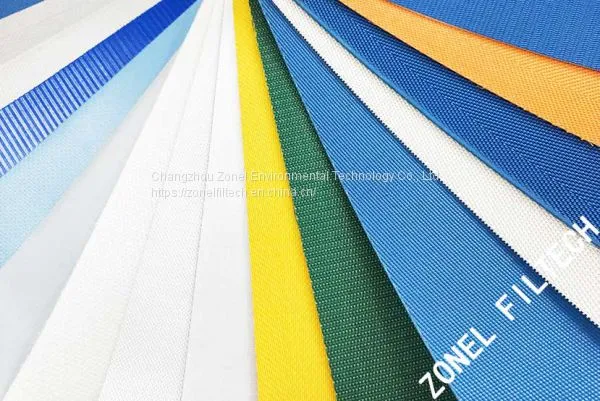
PP Woven Filter Cloth for Filter PressUS$ 1 - 15MOQ: 1 Piece
-
PET Woven Filter Cloth for Filter PressUS$ 1 - 15MOQ: 1 Piece
-
The Filter Belt for Phosphoric Acid Filtration With Wet ProcessingUS$ 10 - 30MOQ: 1 Piece
-
SS Bag Filter Housing – Single Bag Side EntranceNegotiableMOQ: 100 Pieces
-
Vertical Installing Cartridge Dust Collector/Cartridge Dust Collectors/ Dust Filter Cartridge FiltersUS$ 500 - 2000MOQ: 1 Set
-
High Flow Cartridge Filter Housing-HFC SeriesNegotiableMOQ: 1 Set
-
SS Cartridge Filter HousingNegotiableMOQ: 1 Set
-
S.S. Multi-Bag Filter HousingNegotiableMOQ: 100 Pieces
-
Aramid / Nomex Needle Felt Filter Cloth for Dust Filter Bags Sewing; Nomex Dust Filter BagsUS$ 5 - 8MOQ: 1 Piece
-
Para-Aramid Filter Fabric / Kevlar Filter Cloth And Filter BagsNegotiableMOQ: 100 Meters
-
Polyester Air Slide Fabric, Polyster Air Slide Belt, Polyester Air Slide Membrane, Polyester Air Slide ClothUS$ 10 - 20MOQ: 1 Meter