
 Business License

What Is Filter Cloth? A Practical Definition for Industrial Buyers
1. The wrong cloth that cost a plant its weekend
A mineral processing operation some time ago ran a pilot on a new slurry line. The team selected a filter cloth based on price rather than the particle cut size. Within roughly three weeks the press began blinding across the center panels.
Downtime stretched past a full weekend and the lost throughput was valued near US$180,000. The root cause was not the press itself but a cloth chosen without reading the micron grade. A wrong pore size quietly drains profit before anyone notices the pattern.
This article explains what filter cloth is, how it works, and what to check before you buy. We keep the language practical rather than academic so a buyer can act on it. The aim is to help you avoid the mistake above through a few simple checks.
2. What filter cloth actually is
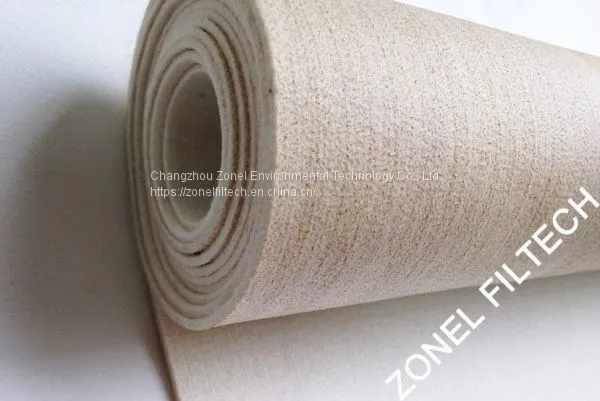
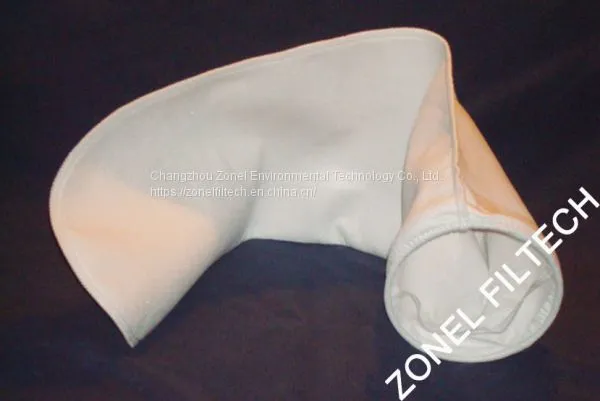
Filter cloth is a woven or nonwoven textile used to separate solids from liquids or from gas streams. It forms the working surface inside filter presses, belt filters, and many centrifugation systems. The material holds back suspended particles while the cleaned fluid passes through the open structure.
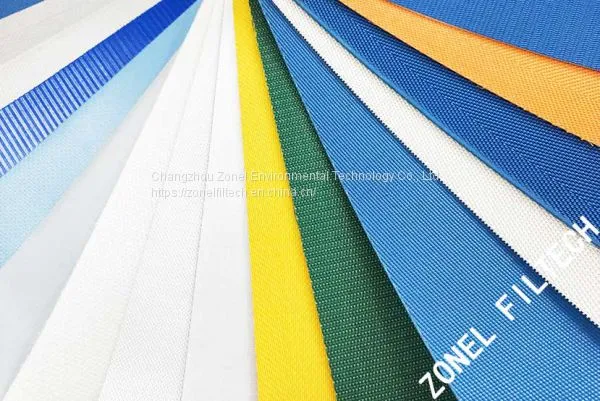
Changzhou Zonel Environmental Technology Co Ltd produces filter cloth across several fiber families for both liquid and air duty. The cloth is not a single product but a family of engineered textiles tuned to a process. A useful way to picture it is as a precise sieve that also behaves like a depth filter.
When buyers say the term they may mean a press cloth, a belt, or a sewn panel. Each is the same base idea cut to a different shape and mounted in a different machine. The shape follows the equipment, while the fiber and weave follow the slurry you feed it.
The cloth also ages, and its aging curve decides how often you change it. A grade that looks cheap per square meter can cost more per ton of product once you count labor. View the cloth as a working part, not a commodity roll.
3. How filter cloth captures particles
Capture happens in two ways that work together in service. Surface retention blocks particles larger than the pore at the upper layer of the cloth. Depth filtration traps smaller particles deeper inside the structure where flow slows.
The balance between the two decides how fast the cloth blinds during a run. A tighter weave gives a sharper surface cutoff but blinds sooner under load. A looser structure runs longer yet passes finer solids into the filtrate behind it.
Zonel Filtech typically recommends matching the pore to the target cut size rather than chasing the smallest number on a data sheet. The goal is steady cake formation, not the finest rating printed on paper. A cloth that forms cake evenly is easier to wash and discharge afterward.
In practice the cut is a range, not a wall, because real slurries carry mixed sizes. The cloth performs well when most of the load sits above its pore and the fines are few. Knowing your size spread matters more than knowing one number.
4. The main fiber types behind filter cloth
Polyester is the workhorse for neutral and mildly acidic duty in most plants. Polypropylene resists many acids and alkalis and costs less in corrosive streams. Polyamide offers higher abrasion resistance in coarse slurries where edges wear fast.
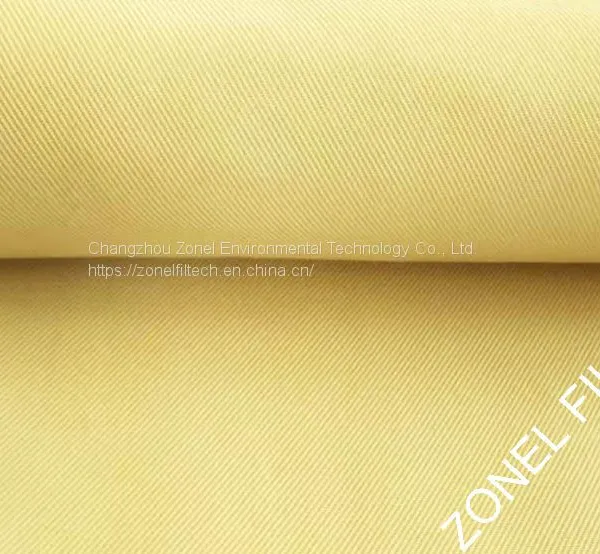
Aramid steps in where temperature exceeds what standard fibers tolerate on a line. Our team selects the fiber after checking pH, temperature, and abrasion in the client's sample. Each fiber changes how the cloth ages under load and wash.
The fiber choice often matters more than the weave count for long life. A strong fiber in the wrong weave still underperforms, but the right fiber survives where a weaker one fails within days. The table below compares the common options under typical plant conditions so you can shortlist.
| Fiber | Typical pH range | Max temp (roughly) | Common use |
|---|---|---|---|
| Polyester | 3 to 9 | 130 C | General liquid and air duty |
| Polypropylene | 1 to 13 | 90 C | Acidic and alkaline streams |
| Polyamide | 4 to 12 | 110 C | Abrasive slurry |
| Aramid | Wide | 200 C | High temperature dust |
These limits are starting points from field service, not guarantees for every chemical mix. Trace additives in a stream shift the outcome more than the bulk pH suggests. Always confirm with a sample test before a full roll commitment.
5. Woven vs nonwoven filter cloth
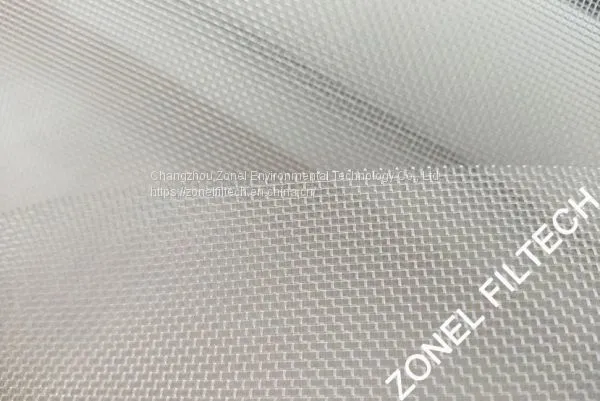
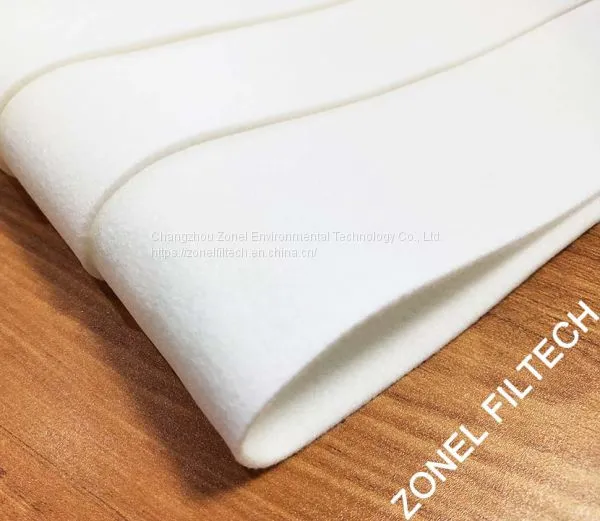
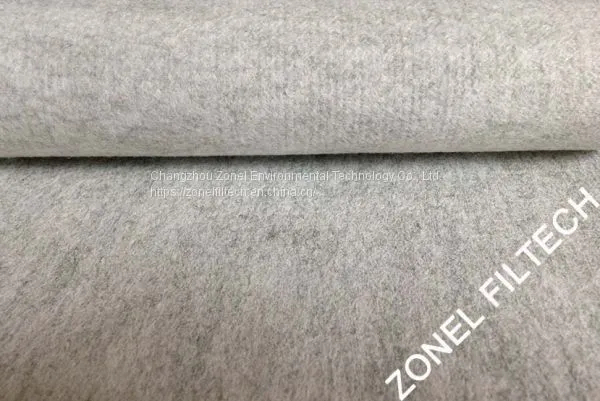
Woven cloth uses interlaced yarns and gives precise, repeatable pores across the sheet. Nonwoven cloth uses bonded fibers and traps fines through depth rather than a clean surface grid. The two structures serve different discharge methods on the floor.
Woven grades suit cake discharge and easy cleaning because the cake releases as a sheet. Nonwoven grades suit polishing and fine clarification where you accept shorter life for a sharper cut. Changzhou Zonel Environmental Technology supplies both and advises based on the discharge method you use.
The wrong structure can double your labor at the cloth change and slow the whole press. The right one can run for months between swaps with a routine wash. This single decision outweighs most price differences on the quote when life is counted.
Many buyers start with woven cloth for a press and move to nonwoven mainly for a polishing step. That split keeps the main run cheap and the final clarity tight. Match structure to stage, not to habit.
6. Where filter cloth shows up in industry
You will find filter cloth in mining dewatering, chemical plants, food and beverage lines, and dust collection systems. It also appears in wastewater treatment and pharmaceutical water systems around the world. The same cloth family covers very different duties by changing fiber and weave alone.
Zonel Filtech has shipped cloth to more than 40 countries across these sectors since building its filtration workshops. The variety explains why one short label hides dozens of real products behind it. A single grade rarely fits two unrelated processes well.
Buyers should always name the duty, not just the word, when they inquire. "Send me filter cloth" tells a supplier almost nothing useful about the need. "Send me press cloth for iron ore tailings at pH 8" opens a useful conversation that saves weeks.
The industries above also set different hygiene and traceability rules. Food and pharma lines need documented grades and clean runs. Industrial lines focus on life and cost. The cloth answer changes with the rule set, not just the machine.
7. Filter cloth vs filter bags and cartridges
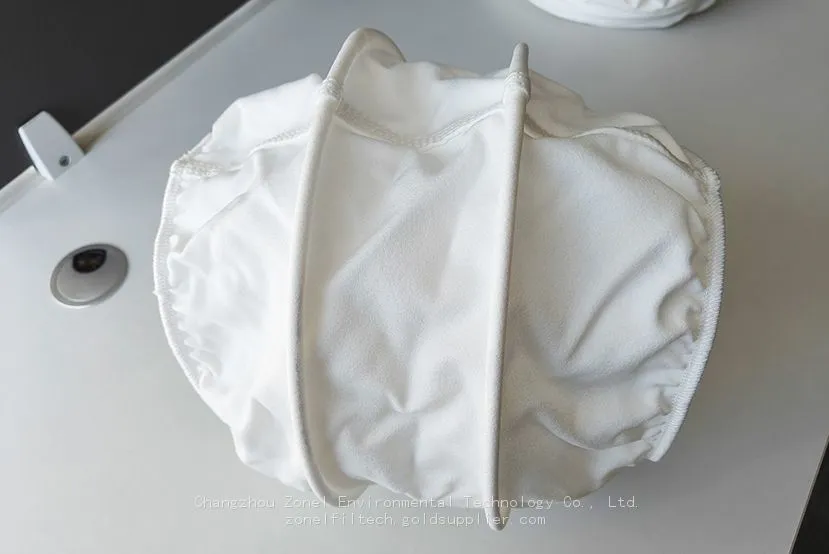
Filter cloth is the flat or belt material you cut and fit to a press. Filter bags are sewn sleeves that drop into bag housings for liquid polishing. Cartridges are rigid rolled media for high flow liquid lines with steady feed.
They solve different problems and are not interchangeable in most vessels. The company often receives requests to substitute one for another based on price. This works when the vessel geometry and operating pressure already match the new form.
Understanding the difference prevents costly mismatches at commissioning time. A bag housing will not accept a press cloth, and a press will not seal a cartridge. Match the form to the machine first, then tune the material to the stream.
For a plant weighing options, the throughput and dirt load decide the form. High load with easy changeout points to cloth on a press. Steady flow with low solids points to a cartridge. Bags sit between the two for flexible duty.
8. Reading the filter cloth specs that matter
Three numbers tell you most of what you need before comparing grades on the market. Air permeability shows how freely fluid moves through the cloth in L/m2/s. Gram weight shows mass per square meter and hints at thickness and body.
Tensile strength shows how the cloth survives tension on the press, measured in N/5cm in warp and weft. A fourth value, cake release, decides your cleaning labor over the life of the cloth. Changzhou Zonel Environmental Technology Co Ltd prints these on the spec sheet for every grade it ships.
Ask for them before you compare two quotes on price alone, because the cheaper roll may hide a weak tensile. The table below lists the four fields that should appear on every grade you evaluate. If a supplier cannot provide them, treat that as a warning sign about consistency.
| Spec | What it tells you | Typical unit |
|---|---|---|
| Air permeability | Flow resistance of the cloth | L/m2/s |
| Gram weight | Thickness and body of the cloth | g/m2 |
| Tensile, warp | Resistance to running tension | N/5cm |
| Cake release | Effort needed to clean | Qualitative |
Read the four together rather than picking the highest or lowest of one. A cloth strong in permeability but weak in tensile still fails on a press under squeeze. The set describes the working grade better than any single figure.
9. How Zonel Filtech sources filter cloth
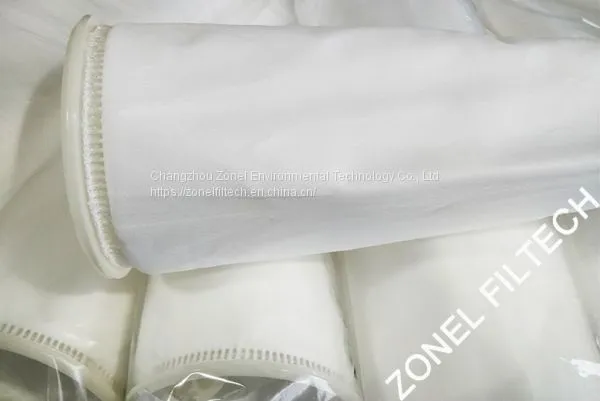
The company runs five specialized workshops covering cloth, bags, housings, and air slide fabric under one roof. Our team tests filtration accuracy and tensile on finished rolls before dispatch rather than just on lab samples. We also cut and seam to the client's press dimensions in the same facility.
Changzhou Zonel Environmental Technology built its filtration business around liquid-solid and air-solid separation starting in 2008. That focus shows in how the spec sheets are written and how grades are named for reuse. Buyers receive a cloth matched to the slurry, not a catalog guess from a warehouse.
For a first order, the company typically requests a slurry sample and the press drawing. A short test on site confirms the grade before a full roll commitment and protects the budget. This step costs a little time and avoids a large wrong shipment that stops a line.
With more than 220 staff across technical and production departments, the team can run a small trial while the main line keeps running. That capacity is why repeat buyers stay on one grade across years without re-testing each time.
10. FAQ
10.1 What micron rating should filter cloth have?
The rating should sit near your target cut size, not far below it, because a rating far finer than the solids blinds quickly and raises operating pressure across the press. Most press cloths run in a broad range rather than a single tight grade since slurries vary during a shift.
Test a sample on your actual slurry before committing to a full order. Zonel Filtech usually sends swatches and a small panel for that check on request. The result on site beats any number from a brochure when the feed is mixed.
10.2 Is polyester or polypropylene better for filter cloth?
Neither is universally better, and the answer depends on the stream you run. Polyester holds shape and resists abrasion in neutral duty. Polypropylene wins in acidic or alkaline duty and often costs less per square meter in the market.
The pH and temperature of your process decide the winner between them. Our team asks for a sample and the operating range before recommending a fiber. Guessing by price alone is how plants end up replacing cloth every few weeks instead of months.
10.3 How long does filter cloth last in service?
Life varies from a few weeks in harsh abrasive slurry to many months in gentle service with regular wash. Cake release and the cleaning method matter as much as the fiber choice for total cost. Tracking change intervals on the first run gives a realistic number for planning.
The company logs field results to refine later grades for the same client over time. A cloth that lasts eight weeks in one plant may last far longer in a cleaner stream. Context drives the answer more than the material alone does.
10.4 Can I cut filter cloth to my press size?
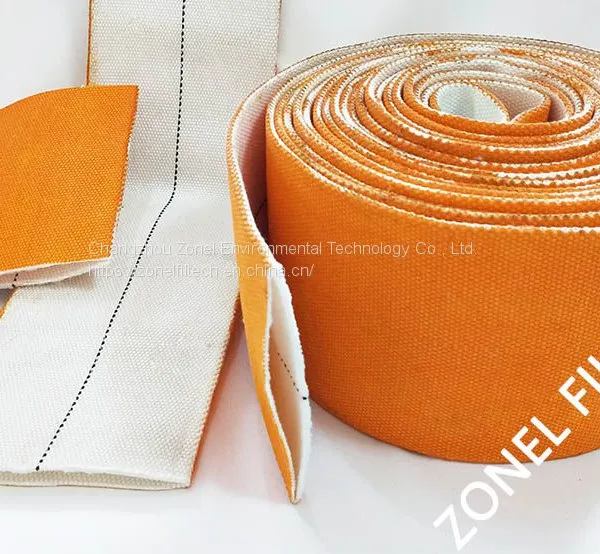
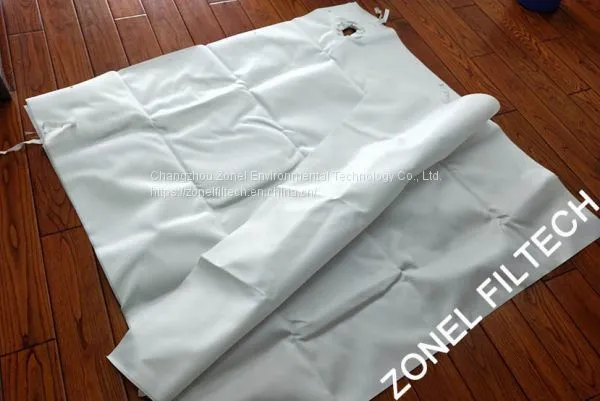
Yes, most woven cloth can be cut and sewn to the plate dimensions of a filter press without losing function. Seam type affects both leakage and service life, so it should follow the plate design closely. Changzhou Zonel Environmental Technology cuts and welds to the client's drawing in house.
Sending the plate outline avoids fit problems at install and prevents wasted material on site. For nonstandard presses, a template from the first plate helps the whole batch match the seal. Good fit is half of good filtration before the run starts.
Recently Posted
-
Understanding Filter Bag Standards: ISO, ASTM, and Industry Norms
September 1, 20261. The shipment that failed an auditA buyer a few years ago received a bag shipment that looked correct but failed an audit at the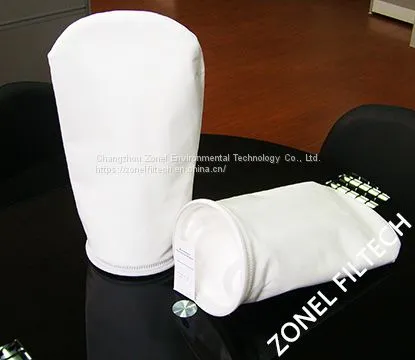 Read More
-
Dust Collector Filter Bags in Cement Plants: Field Experience
August 31, 20261. The reading that crept past its limitA cement finish mill some time ago fought a rising stack reading that crept past its limit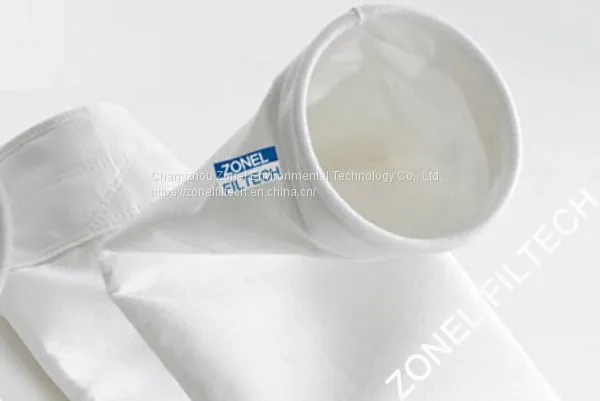 Read More
-
Filter Cloth Technical Specs: Air Permeability, Weight, and Tensile
August 31, 20261. The press that ran hot because no one read the specA gypsum line some time ago bought cloth by price and ignored tensile on the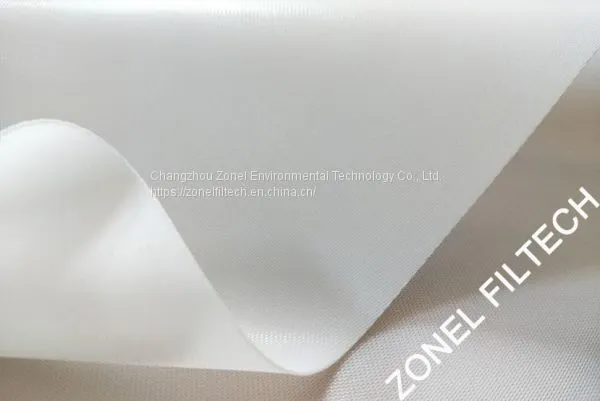 Read More
-
Filter Cloth Selection Guide: 6 Factors Buyers Often Miss
August 28, 20261. The cloth that failed a spec but passed a quoteA buyer a while back approved a filter cloth because the quote looked right and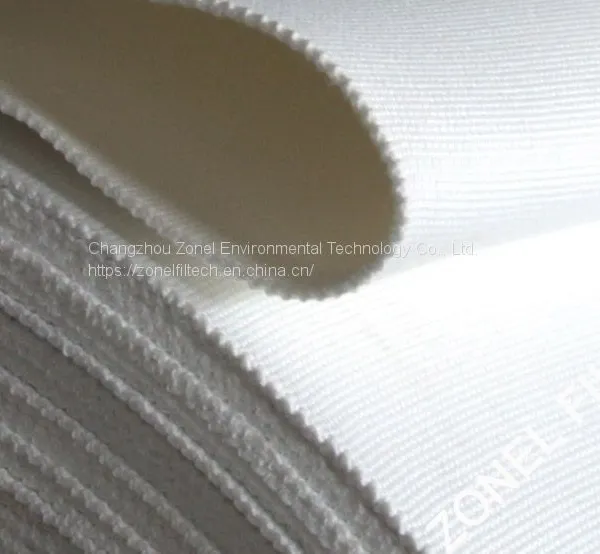 Read More

Contact Us
Recommended Products
-
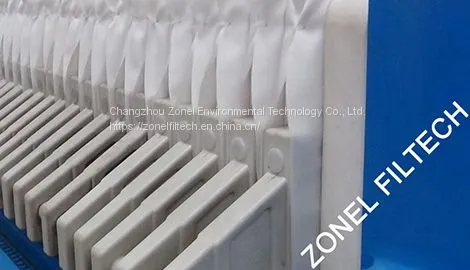
 Woven Filter Fabrics / Filter Cloth / Filter Press ClothNegotiableMOQ: 100 Meters
-
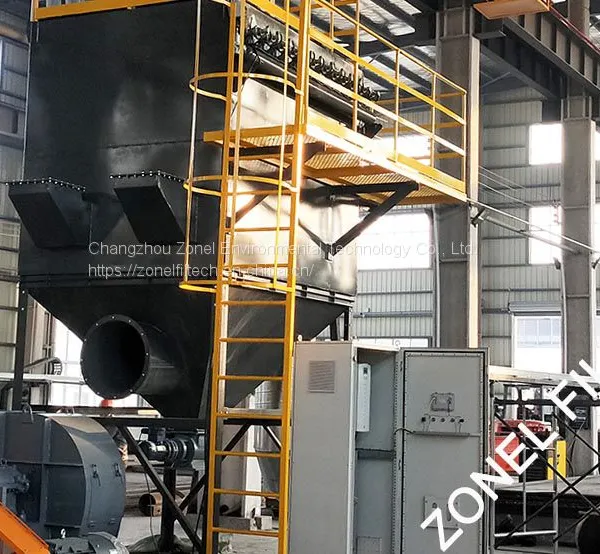
Pulse Jet Bag Filter Housing and Filter Housing AccessoriesUS$ 500 - 2000MOQ: 1 Piece
-
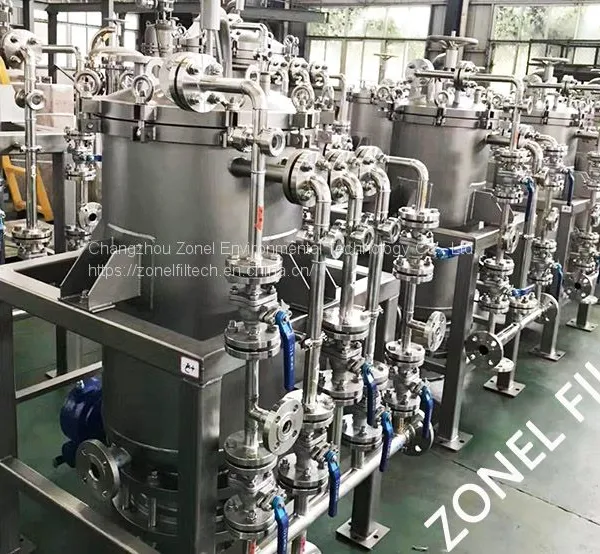
Candle Filters/ Candle Filter SystemNegotiableMOQ: 1 Set
-
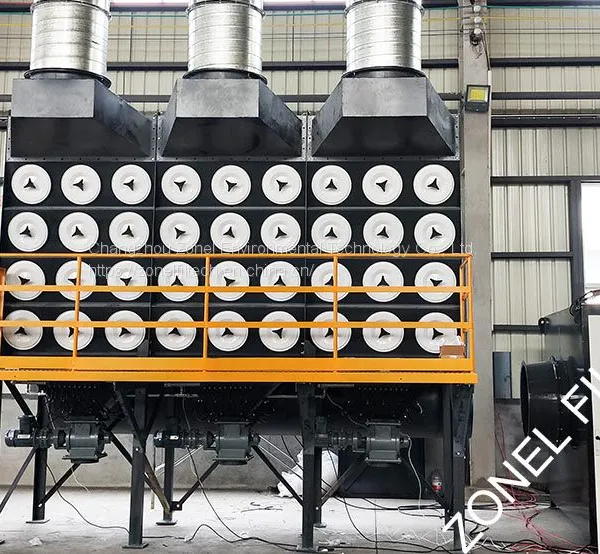
Oblique Installing Cartridge Dust Collector/Cartridge Dust Collectors/ Dust Filter Cartridge FiltersUS$ 500 - 2000MOQ: 1 Set
-
Polyamide (PA)/Nylon Bolting Cloth / Mesh for Printing and General Filtration/ Filter MeshNegotiableMOQ: 100 Meters
-
Air Slide Hose/ Air Slide Hose for Cement Trailer/ Air Slide Hose for Cement SiloUS$ 1 - 3MOQ: 1 Meter
-
Polyester Needle Felt and Filter Bags for Dust Collector SystemsUS$ 1 - 2MOQ: 1 Piece
-
Anti-static Needle Felt Filter Cloth and Filter BagUS$ 1 - 2MOQ: 1 Piece
-
Filter Press Belt/ Vacuum Filter Belt/ Forming BeltUS$ 5 - 25MOQ: 1 Piece
-
PP Woven Filter Cloth for Filter PressUS$ 1 - 15MOQ: 1 Piece
-
PET Woven Filter Cloth for Filter PressUS$ 1 - 15MOQ: 1 Piece
-
The Filter Belt for Phosphoric Acid Filtration With Wet ProcessingUS$ 10 - 30MOQ: 1 Piece
-
SS Bag Filter Housing – Single Bag Side EntranceNegotiableMOQ: 100 Pieces
-
Vertical Installing Cartridge Dust Collector/Cartridge Dust Collectors/ Dust Filter Cartridge FiltersUS$ 500 - 2000MOQ: 1 Set
-
High Flow Cartridge Filter Housing-HFC SeriesNegotiableMOQ: 1 Set
-
SS Cartridge Filter HousingNegotiableMOQ: 1 Set
-
S.S. Multi-Bag Filter HousingNegotiableMOQ: 100 Pieces
-
Aramid / Nomex Needle Felt Filter Cloth for Dust Filter Bags Sewing; Nomex Dust Filter BagsUS$ 5 - 8MOQ: 1 Piece
-
Para-Aramid Filter Fabric / Kevlar Filter Cloth And Filter BagsNegotiableMOQ: 100 Meters
-
Polyester Air Slide Fabric, Polyster Air Slide Belt, Polyester Air Slide Membrane, Polyester Air Slide ClothUS$ 10 - 20MOQ: 1 Meter