
 Business License

Filter Bag Basics: How Industrial Dust Collection Bags Work
1. The failed bag that shut a line
A cement packing line a while back ran fine until the baghouse pressure crept upward over a few shifts. The maintenance crew blamed the fan, but the real cause sat inside the bags. Within roughly two weeks the unit could not hold its target airflow and the line slowed.
Downtime cost the site a noticeable slice of daily output, and the cause was a worn filter bag rather than the machine. The bag had lost its surface and was passing fine dust back into the airstream. A small part, ignored, turned into a production problem that a routine check would have caught.
This article covers what a filter bag is, how it traps dust, and what to check before you buy. We keep the explanation practical so a buyer or a plant engineer can use it directly. The aim is to help you specify the right bag instead of guessing from a catalog page or a shelf tag.
2. What a filter bag is
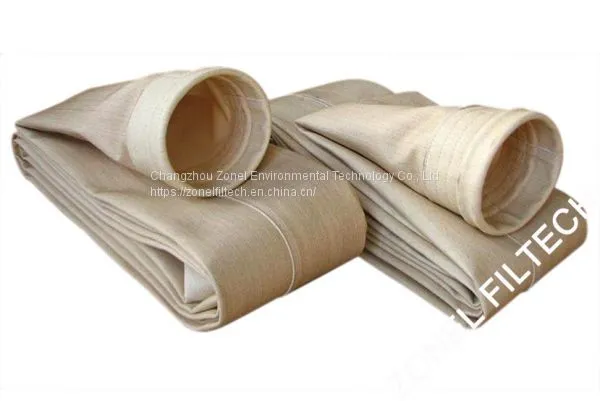
A filter bag is a tubular or pocket-shaped textile that fits inside a dust collector to capture airborne particles. It forms the working surface where dirty gas passes through the fabric and clean air exits the far side. The bag is the core part of most baghouse systems used across industry.
Changzhou Zonel Environmental Technology Co Ltd produces filter bags across several media types for dust duty. The bag is not one item but a family tuned to temperature, chemistry, and cleaning method. A useful way to picture it is as a deep, flexible wall that cleans air one pulse at a time.
When buyers say filter bag they may mean a pulse jet bag, a reverse air bag, or a shaker bag. Each shares the same idea but mounts and cleans in a different way. The shape follows the collector, while the media follows the dust you must capture.
The bag also sets the emission number a plant can report, so its condition tracks with compliance. A failing bag raises both pressure drop and outlet dust in the same moment. Treat the bag as a monitored part, not a passive sleeve.
3. How a filter bag captures dust
Capture begins when dust lands on the upstream face and builds a layer called the dust cake. That cake becomes the real filter, catching finer particles than the bare media alone can hold. The fabric behind it supports the cake and lets clean air through.
As the cake thickens, the bag holds finer dust but resists flow more, which raises pressure drop. Cleaning systems remove the cake at intervals to restore flow without removing the media. Zonel Filtech typically tunes media weight to the dust load so the cake forms evenly rather than in patches.
Depth capture also occurs inside the fibers for very fine fractions during the first hours. Once the cake is established, surface capture dominates and the media stays protected. Knowing this two-stage behavior explains why a new bag and an aged bag filter so differently.
In practice the cut is a function of the cake, not just the pore of the cloth. The same bag can meet a tight limit after conditioning and a loose one when fresh. Operators who understand this avoid chasing the wrong spec when emissions drift.
4. Felt vs woven bag media
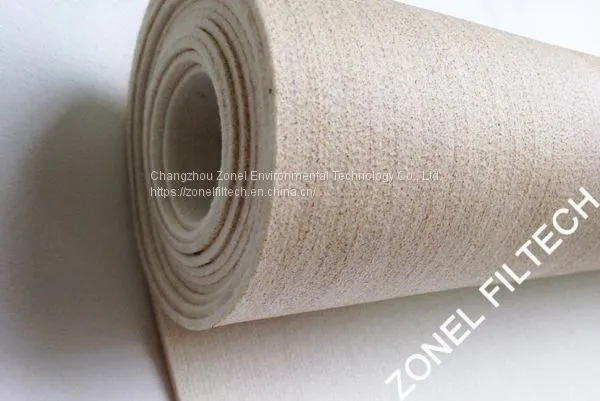
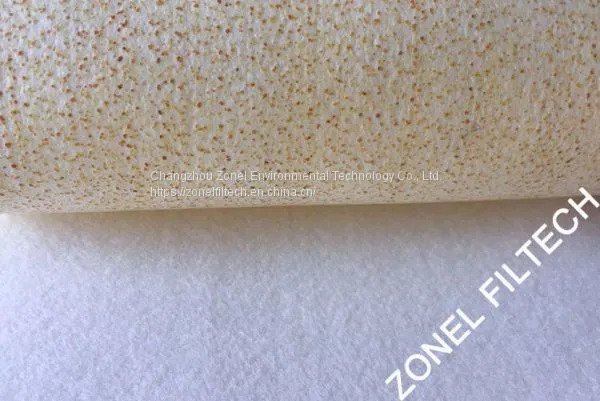
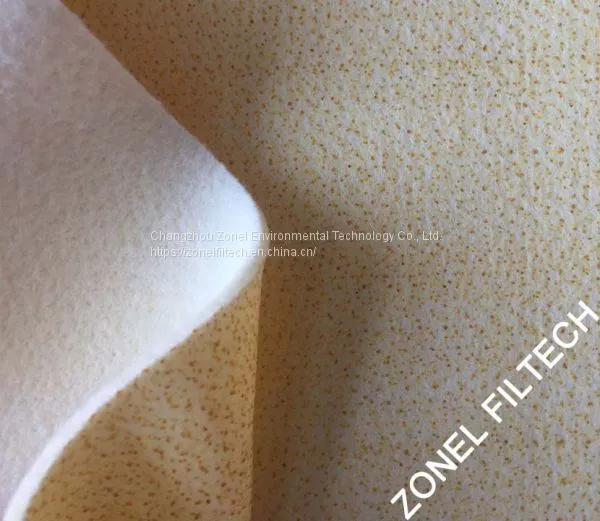
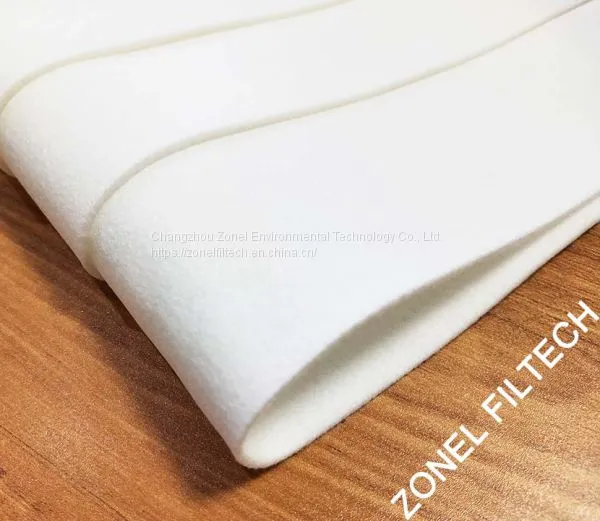
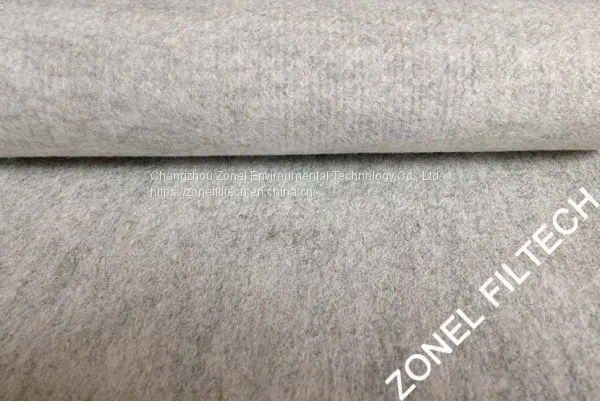
Needle felt is the common media for pulse jet bags because it builds cake fast and cleans well with a short burst. Woven media suits shaker and reverse air units where the bag must flex without tearing. The two structures serve different cleaning forces on the floor.
Felt traps fines through depth and gives a tight outlet from early in the run. Woven cloth gives precise pores and long flex life but needs a formed cake to reach the same clarity. Changzhou Zonel Environmental Technology supplies both and advises by the cleaning method you run.
The wrong structure can shorten bag life by months and raise the changeout labor. The right one can run through a season with routine cleaning and little attention. This choice outweighs small price gaps when total life is counted.
Many plants move from woven to felt when they switch to pulse cleaning. That change keeps the collector compact and the cleaning frequent. Match the media to the cleaning force, not to habit.
5. Common bag shapes and cuffs
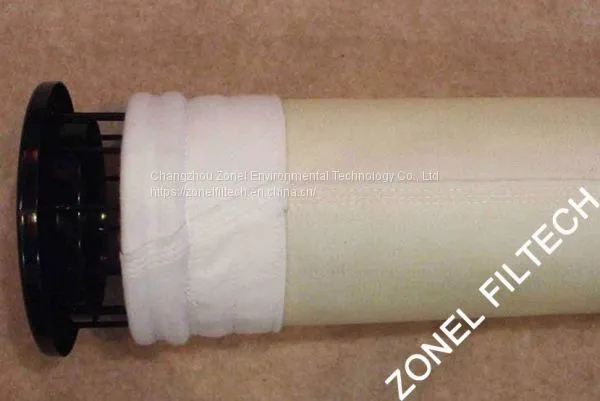
Most pulse jet bags are cylindrical with a snap band, a cord, or a collar cuff at the open end. Reverse air bags are often longer and round with a different seal at the upper end for the tube sheet. The cuff style decides how the bag seals against the tube sheet and how it is changed.
A wrong cuff lets dirty air bypass the bag entirely around the seal. That bypass hides behind a normal pressure reading and raises outlet dust quietly. Our team matches the cuff to the existing tube sheet before shipping a replacement batch.
Length and diameter follow the collector drawing, not a standard shelf size. A bag a few centimeters off in length can buckle on the cage and wear at one spot. Measure the housing, not the old bag tag, when you reorder.
Some plants keep two cuff types in stock for different collectors on site. That small inventory discipline prevents a wrong fit during an urgent change. The seal is where filtration either starts clean or fails before it begins.
6. The cage inside the bag
A filter bag on a pulse unit rides on a wire cage that holds its round shape against suction. Without the cage the bag would collapse and the cleaning pulse could not reach the full surface. The cage is as important as the media for long service.
Cage wire count and coating affect both bag wear and cleaning reach. A coarse cage with thin wires can abrade the bag at the contact lines during flex. Zonel Filtech usually pairs the bag with a compatible cage spec when a client asks for a full kit.
Galvanized or epoxy-coated cages resist corrosion in humid or acidic airstreams. A rusting cage transfers damage to the bag and shortens life in the same stream. The cage and bag should be specified as a pair, not as separate purchases.
When a bag fails at the cage contact lines, the cause is often the cage, not the media. Replacing the bag alone repeats the failure within weeks on the same frame. Inspect the cage during every bag change to protect the new media.
7. Where filter bags are used
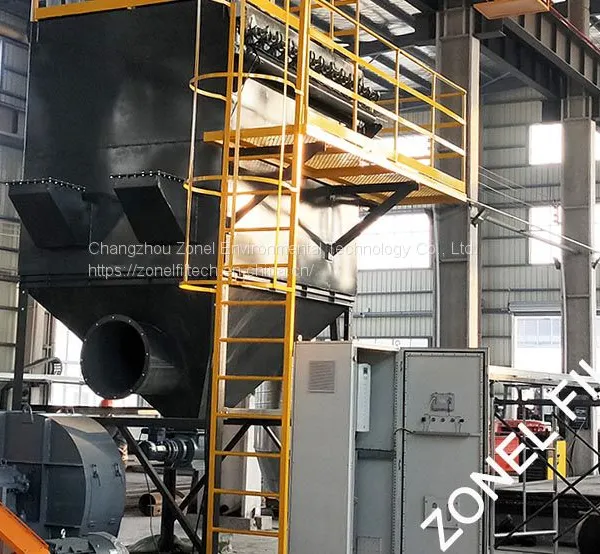
You will find filter bags in cement plants, foundries, wood shops, chemical mixing, and food powder lines. They also serve power stations and metal smelting where hot or heavy dust is present. The same bag family covers very different duties by changing media and finish.
Zonel Filtech has shipped bags to more than 40 countries across these sectors since building its filtration workshops. The range explains why one short label hides many real products behind it. A single grade rarely fits two unrelated dusts well.
Buyers should name the dust, not just the word, when they inquire. "Send filter bags" tells a supplier little about the need or the heat. "Send pulse bags for cement finish mill at 120 C" opens a useful conversation that saves weeks.
The industries above also set different emission and hygiene rules. Food lines need documented, clean media and traceable grades. Industrial lines focus on life and pressure. The bag answer changes with the rule set, not just the machine.
8. Cleaning methods that protect bags
Pulse jet cleaning uses a short compressed air burst to flex the bag and drop the cake. Reverse air uses a lower flow in the opposite direction for large, gentle units. Shaker cleaning uses mechanical motion on the bag for smaller collectors.
Each method stresses the media differently, so the bag built for one may fail on another. A pulse bag on a shaker frame can tear at the seams within days. Our team asks for the cleaning type before recommending a media and a seam.
Good cleaning keeps pressure drop steady and extends bag life across the bank. Poor cleaning either blinds the bags or over-pulses them and breaks the fabric. The balance is set by timer and pressure, not by the bag alone.
Operators who tune cleaning to the dust load rather than a fixed schedule see longer life. A light, frequent pulse often beats a hard, rare one for fine dust. The cleaning plan is part of the bag specification, not an afterthought.
9. How Zonel Filtech makes filter bags
The company runs specialized workshops for bags, cloth, housings, and air slide fabric under one roof. Our team tests filtration efficiency and tensile on finished bags before dispatch rather than on lab swatches alone. We also cut and seam to the client's collector dimensions in the same facility.
Changzhou Zonel Environmental Technology built its filtration business around air-solid and liquid-solid separation starting in 2008. That focus shows in how bags are graded for reuse across a client's sites. Buyers receive a bag matched to the dust, not a catalog guess from a warehouse.
For a first order, the company typically requests a dust sample and the collector drawing. A short trial on site confirms the media before a full run and protects the budget. This step costs a little time and avoids a large wrong shipment that stops a line.
With more than 220 staff across technical and production departments, the team can run a small trial while the main line keeps running. That capacity is why repeat buyers stay on one grade across years without re-testing each time.
10. FAQ
10.1 How long does a filter bag last?
Life ranges from a few months in hot, abrasive dust to a year or more in gentle service with good cleaning. Temperature, chemistry, and cleaning frequency matter as much as the media for total cost. Tracking change intervals on the first bank gives a realistic number for planning.
The company logs field results to refine later bags for the same client over time. A bag that lasts six months in one plant may last far longer in a cooler stream. Context drives the answer more than the material name alone does.
10.2 What is the difference between a filter bag and a cartridge?
A filter bag is a soft tubular sleeve that rides on a cage inside a baghouse. A cartridge is a rigid pleated element that packs more area into a smaller footprint. They are not interchangeable because the housing and cleaning differ.
Baghouses suit high dust load and hot gas with pulse or reverse air cleaning. Cartridge units suit moderate load and compact space with pulse cleaning. Choose the form from the collector, then tune the media to the dust.
10.3 Why does my baghouse pressure keep rising?
Rising pressure usually means the bags are building cake faster than cleaning removes it. Causes include fine dust, low pulse pressure, or worn bags passing dust back to the cake. Inspect a sample bag and check the pulse timer before replacing the whole bank.
A bypass at a bad cuff also raises pressure and outlet dust together. Changzhou Zonel Environmental Technology checks cuff and cage fit during a replacement review. Fixing the seal often restores flow without a full media change.
10.4 Can filter bags be reused after washing?
Some woven bags can be washed and refitted if the grade is rated for it and the seam survives. Felt pulse bags are rarely worth washing because the depth loads and the finish degrades. Confirm with the maker before reuse, because a weak bag costs more in downtime than a new one saves.
Zonel Filtech marks reusable grades in the spec and advises on wash method. A short inspection of the seam each time prevents a failure mid-run. Reuse pays when the duty and the grade both allow it.
Recently Posted
-
Understanding Filter Bag Standards: ISO, ASTM, and Industry Norms
September 1, 20261. The shipment that failed an auditA buyer a few years ago received a bag shipment that looked correct but failed an audit at the Read More
 -
Dust Collector Filter Bags in Cement Plants: Field Experience
August 31, 20261. The reading that crept past its limitA cement finish mill some time ago fought a rising stack reading that crept past its limit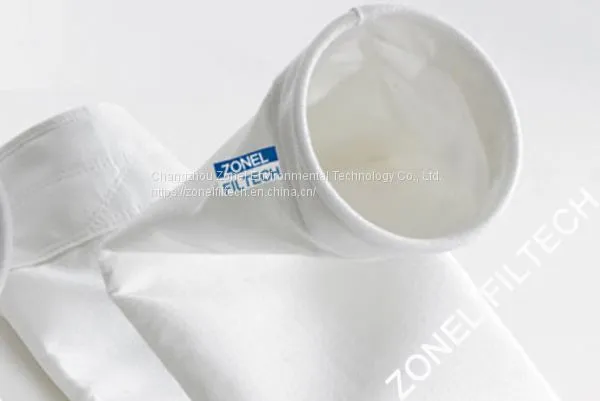 Read More
 -
Filter Cloth Technical Specs: Air Permeability, Weight, and Tensile
August 31, 20261. The press that ran hot because no one read the specA gypsum line some time ago bought cloth by price and ignored tensile on the Read More
 -
Filter Cloth Selection Guide: 6 Factors Buyers Often Miss
August 28, 20261. The cloth that failed a spec but passed a quoteA buyer a while back approved a filter cloth because the quote looked right and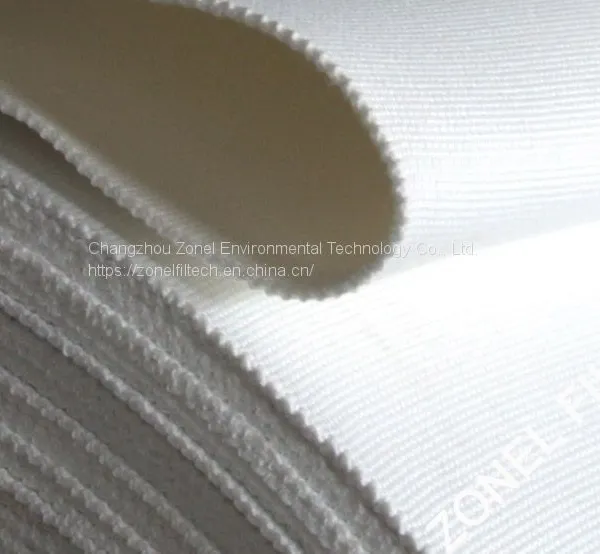 Read More

Contact Us
Recommended Products
-
 Woven Filter Fabrics / Filter Cloth / Filter Press ClothNegotiableMOQ: 100 Meters
 -
Pulse Jet Bag Filter Housing and Filter Housing AccessoriesUS$ 500 - 2000MOQ: 1 Piece
-
Candle Filters/ Candle Filter SystemNegotiableMOQ: 1 Set
-
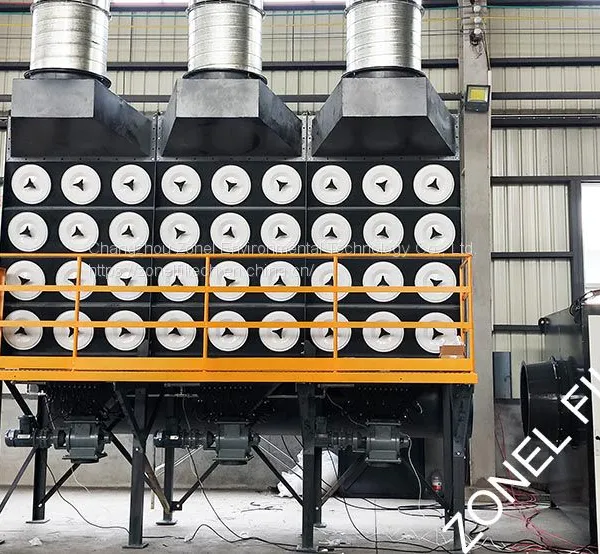
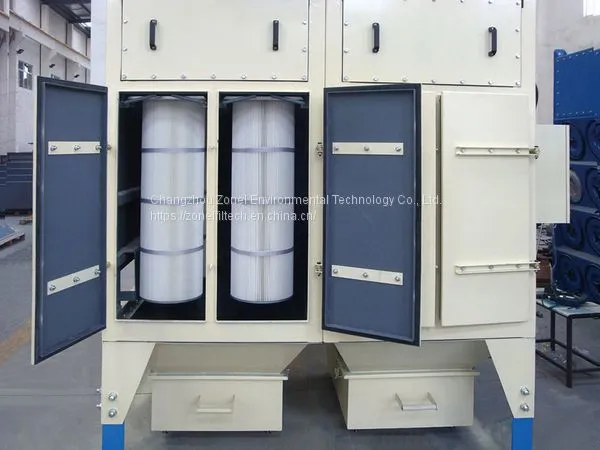
Oblique Installing Cartridge Dust Collector/Cartridge Dust Collectors/ Dust Filter Cartridge FiltersUS$ 500 - 2000MOQ: 1 Set
-
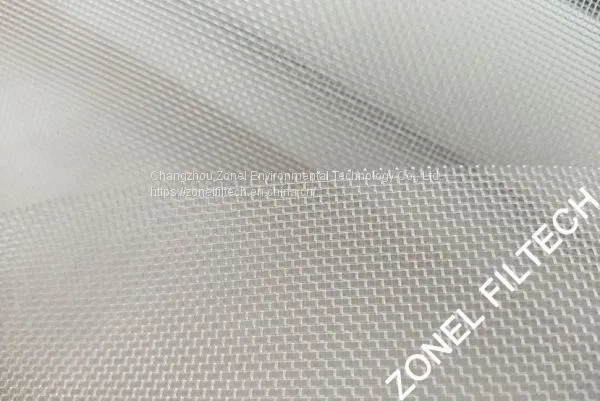
Polyamide (PA)/Nylon Bolting Cloth / Mesh for Printing and General Filtration/ Filter MeshNegotiableMOQ: 100 Meters
-
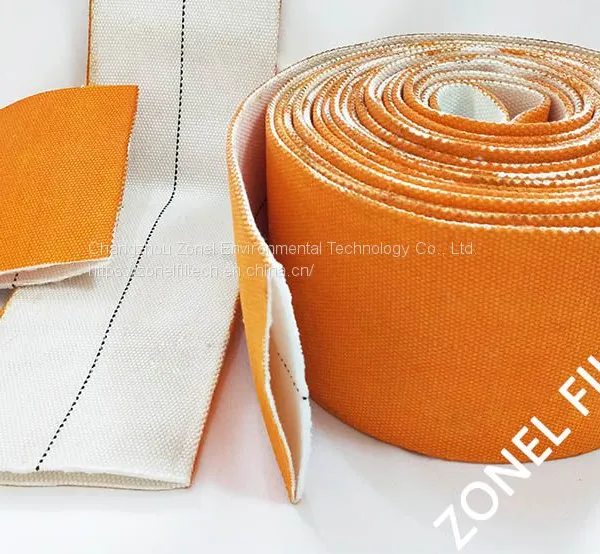
Air Slide Hose/ Air Slide Hose for Cement Trailer/ Air Slide Hose for Cement SiloUS$ 1 - 3MOQ: 1 Meter
-
Polyester Needle Felt and Filter Bags for Dust Collector SystemsUS$ 1 - 2MOQ: 1 Piece
-
Anti-static Needle Felt Filter Cloth and Filter BagUS$ 1 - 2MOQ: 1 Piece
-
Filter Press Belt/ Vacuum Filter Belt/ Forming BeltUS$ 5 - 25MOQ: 1 Piece
-
PP Woven Filter Cloth for Filter PressUS$ 1 - 15MOQ: 1 Piece

-
PET Woven Filter Cloth for Filter PressUS$ 1 - 15MOQ: 1 Piece
-
The Filter Belt for Phosphoric Acid Filtration With Wet ProcessingUS$ 10 - 30MOQ: 1 Piece
-
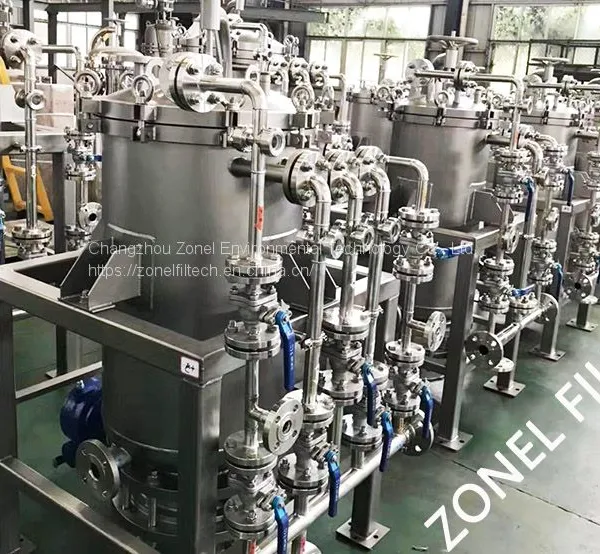
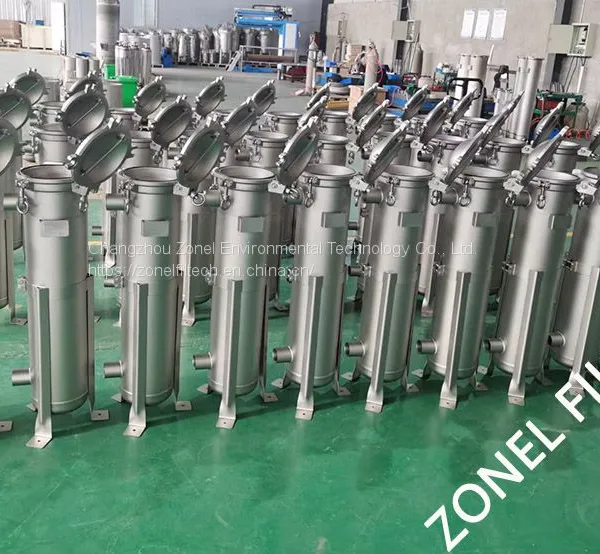
SS Bag Filter Housing – Single Bag Side EntranceNegotiableMOQ: 100 Pieces
-
Vertical Installing Cartridge Dust Collector/Cartridge Dust Collectors/ Dust Filter Cartridge FiltersUS$ 500 - 2000MOQ: 1 Set
-
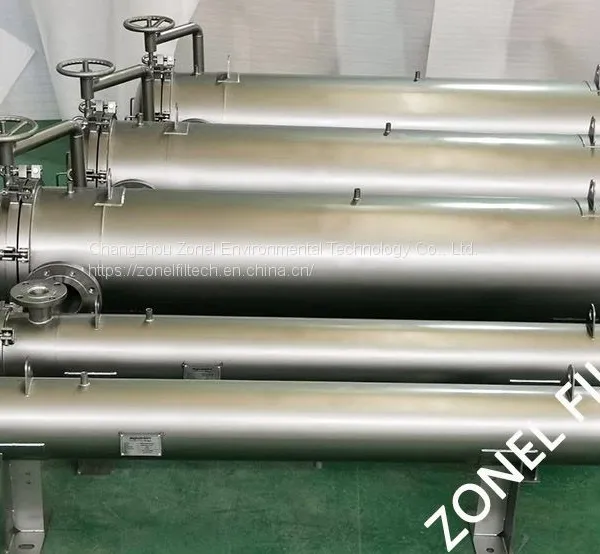
High Flow Cartridge Filter Housing-HFC SeriesNegotiableMOQ: 1 Set
-
SS Cartridge Filter HousingNegotiableMOQ: 1 Set
-
S.S. Multi-Bag Filter HousingNegotiableMOQ: 100 Pieces
-
Aramid / Nomex Needle Felt Filter Cloth for Dust Filter Bags Sewing; Nomex Dust Filter BagsUS$ 5 - 8MOQ: 1 Piece
-
Para-Aramid Filter Fabric / Kevlar Filter Cloth And Filter BagsNegotiableMOQ: 100 Meters
-
Polyester Air Slide Fabric, Polyster Air Slide Belt, Polyester Air Slide Membrane, Polyester Air Slide ClothUS$ 10 - 20MOQ: 1 Meter